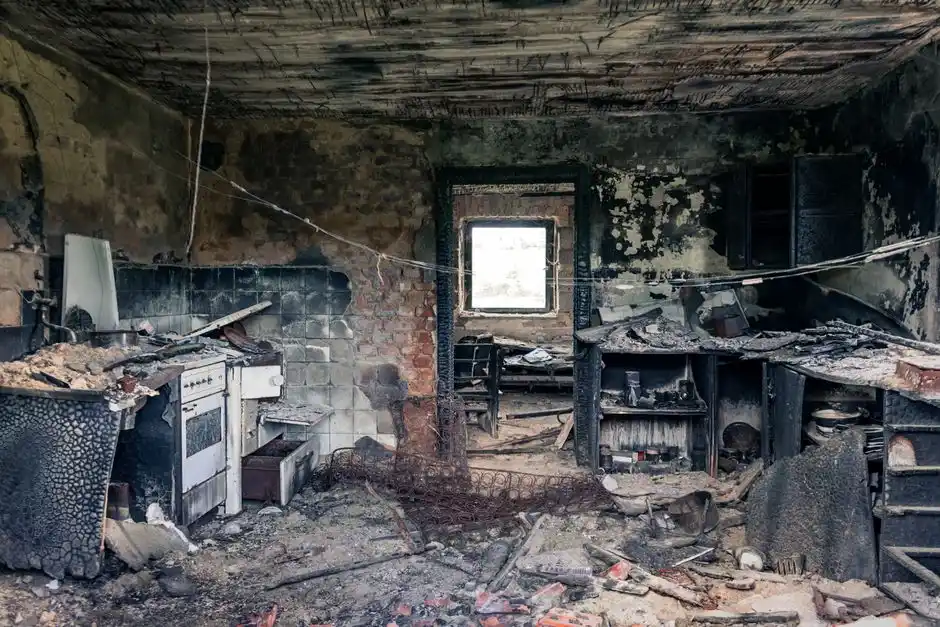
Document water damage for your insurance claim by photographing everything before you touch it, writing down dates and moisture readings, and keeping every receipt and contractor report. The more complete your record in the first 24 to 48 hours, the harder it is for an adjuster to dispute what happened or how much it cost to fix.
This guide walks you through exactly what to capture, in what order, and what most Newbury Park homeowners get wrong. We handle Water Damage Restoration across the Conejo Valley every week, and we see the same documentation gaps over and over.
Start documenting within the first 24 hours
Water damage documentation in Newbury Park, California is time-sensitive because mold can begin colonizing wet drywall and carpet padding within 24 to 48 hours at typical indoor temperatures of 68 to 75°F. The longer you wait, the more the damage changes - and the easier it is for an insurer to argue the loss was pre-existing or preventable.
Before you move a single wet box, stop and take photos. Then call your insurer's claims line and get a claim number. Write that number on every note, receipt, and photo folder you create from that point forward.
Here is the order that works:
- Photograph and video the damage as-is. Wide shots first, then close-ups.
- Call your insurer and open the claim. Note the date, time, and the name of the representative.
- Stop the source if you safely can - shut off the supply valve or the main.
- Move valuables and furniture to dry areas, but photograph them where they sat first.
- Call a restoration crew for extraction and drying, and ask them to document moisture readings.
If water is still standing, emergency water removal in Newbury Park, California prevents secondary damage that insurers sometimes classify as your responsibility to mitigate.
What should I photograph for a water damage claim in Newbury Park?
Photograph the source of the water, the full spread of the damage, and every affected item - wide shots to establish context, close-ups to show detail, and a tape measure or coin in frame for scale. Adjusters approve claims based on evidence, and a photo with no reference point is easy to dispute.
The shot list that gets claims approved
- The source. The burst pipe, failed supply line, overflowing toilet, or roof leak - shoot it before repair.
- Wide room shots. Stand in each doorway and photograph the whole room, including the water line on the wall.
- The water line itself. A close-up of where the water stopped on drywall or baseboard shows how high it rose.
- Damaged materials. Warped flooring, bubbling paint, sagging ceiling, soaked insulation.
- Contents. Furniture, electronics, rugs, clothing, documents - each item separately, plus a photo of the serial-number label if it has one.
- Moisture meter readings. If a technician is on site, photograph the meter display next to the wall it's reading.
Shoot in landscape orientation, keep the flash on, and don't delete blurry shots - duplicates are fine. Upload everything to a cloud folder the same day so a phone loss doesn't wipe out your evidence.
Newbury Park homes in older tracts like Water Damage Restoration in Old Newbury Park often have original copper supply lines and cast-iron drains that fail at pinhole joints - photograph the failing fitting itself, not just the puddle, because that's what proves the cause.
Write it down: the paper trail adjusters actually read
A written timeline turns a pile of photos into a claim. Keep a single notebook or note file and log every event with a date and time: when you noticed the water, when you shut it off, when you called the insurer, when the restoration crew arrived, and when drying equipment was set and removed.
Include these details in your written record:
- Date and time you discovered the damage
- What you were doing when you found it (came home, heard a drip, saw a stain)
- The apparent cause, in plain language
- Names and phone numbers of everyone you spoke with
- Any temporary repairs you made and what they cost
- Items you threw away and why (photograph before disposal)
Keep every receipt for hotel stays, meals during displacement, fans or dehumidifiers you rented, and any emergency supplies. Most homeowners policies cover additional living expenses when the home is uninhabitable, but only if you can prove the spend.
If your loss involves a supply line or slab leak, the documentation needs to show whether the water came from a plumbing failure or groundwater. That distinction matters for coverage, and water leak restoration in Newbury Park, California includes the moisture mapping and cause report your adjuster will ask for.
Moisture readings and professional documentation
Professional water damage claim documentation in Newbury Park, California includes moisture readings taken with a pin-type or pinless meter, thermal imaging of hidden cavities, and a daily drying log. Those numbers are what separate a $3,000 drying job from a $30,000 mold remediation, and insurers rely on them.
When our technicians arrive, we record affected square footage, category of water (Category 1 clean, Category 2 gray, Category 3 black), and moisture content percentages at each affected wall and floor. We photograph each reading and log the daily drop until materials return to normal - typically under 16% moisture content for wood framing.
That log does two things. It proves the loss was mitigated properly, and it protects you if the insurer later questions whether mold was pre-existing. If mold does appear, mold remediation after water damage in Newbury Park, California is usually covered as a direct result of the original loss when the documentation chain is intact.
Ask any restoration company for a written scope, moisture readings, and photo documentation before work begins. A crew that can't produce those isn't helping your claim.
How long does a water damage insurance claim take in Newbury Park?
A typical water damage insurance claim in Newbury Park takes 30 to 60 days from first notice of loss to final payment, with emergency mitigation approved in 24 to 72 hours and the structural repair portion settling after the adjuster's inspection. Complex claims involving mold or a disputed cause can run 90 days or more.
The timeline usually breaks down like this:
- Days 1-3: Claim opened, emergency mitigation authorized, drying equipment on site.
- Days 3-10: Adjuster inspection, scope written, photos and moisture logs submitted.
- Weeks 2-4: Drying complete, contents and structure estimates negotiated.
- Weeks 4-8: Repairs scheduled and completed, final invoice submitted, payment issued.
You can shorten that window by submitting a complete package the first time - photos, timeline, receipts, and the contractor's scope in one upload. Claims that stall usually stall because the adjuster is waiting on a document.
Common mistakes that shrink your payout
The biggest documentation mistake homeowners make is cleaning up before photographing. Once the wet carpet is in the dumpster, you can't prove it was there. Photograph first, dispose second, and keep a sample of damaged material if the adjuster asks.
Other mistakes we see regularly:
- Throwing away damaged items before the adjuster inspects them. Bag them, label them, and store them if space allows.
- Skipping the cause photo. Without a picture of the failed fitting or cracked pan, the insurer may treat it as maintenance neglect.
- Waiting to call. Delayed mitigation gives the insurer grounds to reduce the payout for damage that could have been prevented.
- No moisture readings. Verbal claims of "it was really wet" don't hold up. Numbers do.
- Hiring an unlicensed crew. Unpermitted or undocumented work can void the repair portion of the claim.
One more: don't accept the first estimate without comparing it to the contractor's scope. Adjusters write estimates from photos, and they miss things - hidden cabinet damage, subfloor saturation, HVAC contamination.
When to call a professional
Call a professional when water has been standing more than a few hours, when the affected area is larger than about 10 square feet, or when the water is Category 2 or 3 - gray water from appliances or black water from sewage. Those situations need extraction, antimicrobial treatment, and documented drying that a shop vac and a box fan can't deliver.
Our team at Water Damage Restoration Newbury Park handles the documentation side as part of the job. We photograph the source, log moisture readings daily, and hand you a claim-ready package your adjuster can process without back-and-forth. If you're in Water Damage Restoration in Dos Vientos or anywhere in the Conejo Valley, we can be on site the same day.
Frequently Asked Questions
How do I document water damage for my insurance claim in Newbury Park California?
Photograph the source and all affected areas before cleanup, write a dated timeline of events, keep every receipt, and get moisture readings from a restoration technician. Submit the full package to your adjuster within the first week to keep the claim moving.
What should I photograph for a water damage claim in Newbury Park?
Shoot the water source, wide room shots showing the water line, close-ups of damaged materials, and each affected item separately. Include moisture meter displays and serial-number labels. Take 40 to 60 photos - more evidence is better than less.
Does water damage restoration near me help with insurance claims in Newbury Park California?
Yes. A professional crew provides moisture readings, photo documentation, a written scope, and daily drying logs that adjusters require. We work directly with most major carriers and can send documentation to your adjuster the same day.
How long does a water damage insurance claim take in Newbury Park?
Most claims settle in 30 to 60 days. Emergency mitigation is usually approved within 24 to 72 hours, while structural repairs settle after the adjuster's inspection. Claims involving mold or a disputed cause can take 90 days or more.
Get help with Water Damage Restoration in Newbury Park
If water is in your home right now, the clock on your documentation is already running. Call us and we'll extract the water, dry the structure, and build the claim file your insurer needs.
Call (833) 321-7153 - we answer 24/7 and can be on site in Newbury Park the same day.